After exploring cities across the globe, travel writer Teddy Danielson shares why Granada’s Moorish beauty, lively flamenco scene, and unforgettable atmosphere make it her favorite city—and how to experience the best of it in three days.
By Teddy Danielson
I’ve traveled to remarkable cities around the world, but if I could revisit just one again and again, it would be Granada.
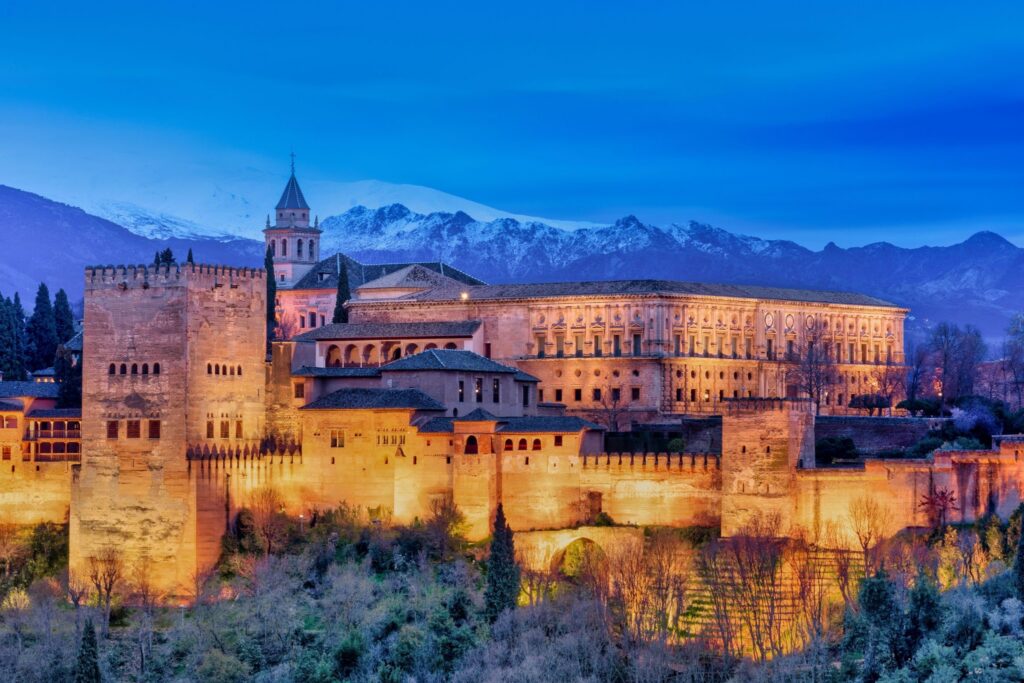
Not only is this vibrant city, the birthplace of Flamenco, incredibly beautiful, with mazes of cobbled streets dotted with tapas bars and flamenco caves, but every nook and cranny is steeped in medieval Spanish and Moorish influence. The bustling streets rest under the stoic watch of the magnificent Alhambra and Spain’s snow-capped Sierra Nevada. It’s enough to take your breath away.
This three-day itinerary combines the city’s iconic landmarks with a handful of favorite local discoveries, giving you the perfect introduction to one of Spain’s most captivating destinations. Happy travels!
Lodging and Transportation

There is no shortage of lodging in Granada. And, luckily, many of them are a steal when compared to options you might find in the US and many other parts of Europe. Here are a few favorites:
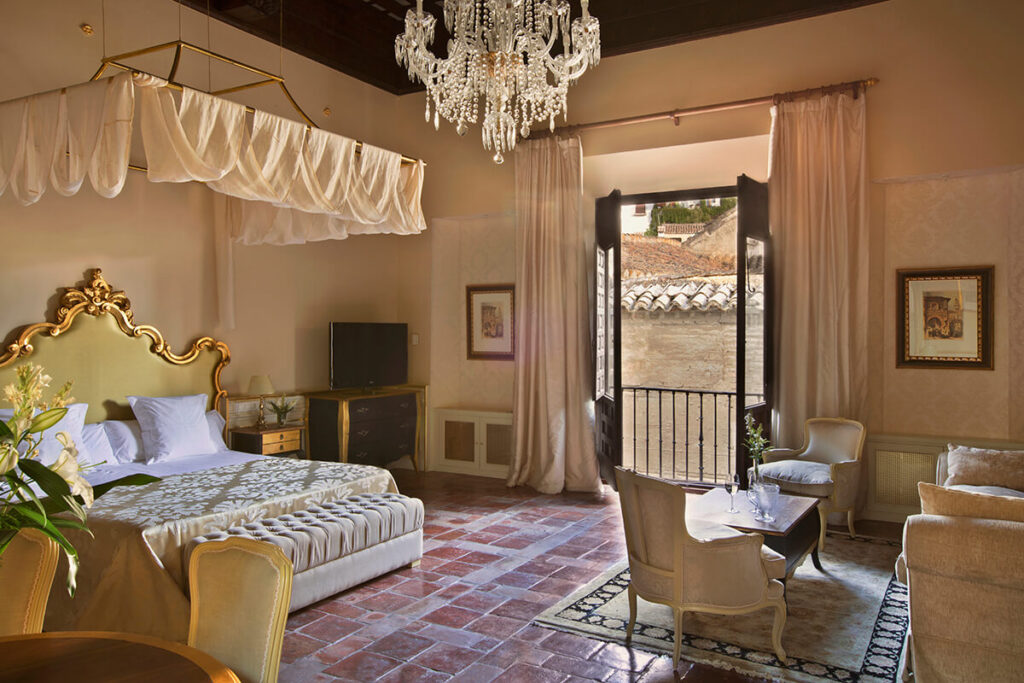
- Hotel Casa 1800 Granada. For those looking to splurge, this historic hotel, with its rich rooms, impressive dining options, and in-room massage services, boasts views of the Alhambra from many of its guest quarters. They even offer babysitting services for couples traveling with kiddos!
- Boutique Hotel Luna Granada Centro. This clean, modern, boutique hotel offers complimentary breakfast and a rooftop pool. Its central location makes it a wonderful option for those looking for convenience, and its reasonable price tag is hard to beat!
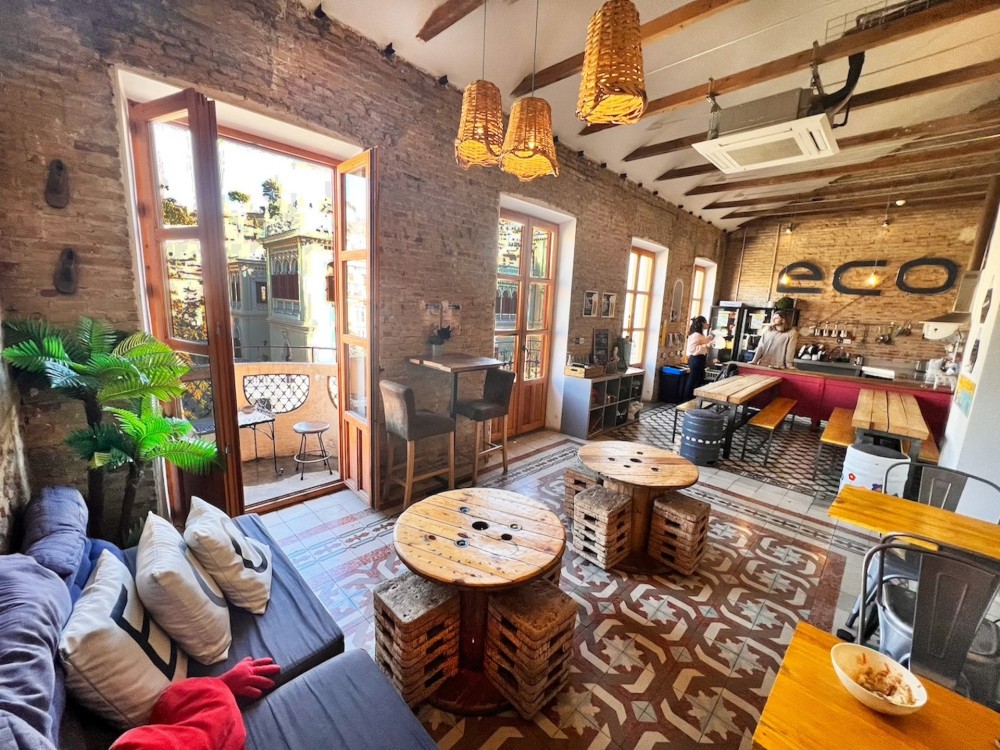
- ECO Hostel. Traveling solo or just looking to save some money? The ECO Hostel in Granada’s city center provides guests with free Wi-Fi, a community kitchen, lockers for safety, laundry service, towels, and other amenities. Meet fellow travelers in the common areas or on one of the hostel’s free daily walking tours.
- Vacation Rental. There are many vacation rentals available throughout the city via such sites as VRBO. The Albaicin neighborhood is particularly desirable if you’re looking to get a little closer to the authentic side of Granada living.
Transporation
Bring your walking shoes, folks! Granada is a hilly place, and it’s not ideal for biking or driving. People get around on foot and, if that’s available to you, we think it’s the best way to experience the city. While the hills might be daunting to some, the upside is that you really get to earn all those delicious tapas!
Day 1: Realejo, Alhambra, and Tapas
Morning
The first morning in a new city is always pretty magical. Start slow with a light breakfast at Artesanos de Granada San Jerónimo in the Realejo neighborhood. Here, you’ll find amazing pastries and toasts with fun toppings (a traditional Spanish breakfast). They also serve up less traditional dishes like pancakes with salmon and hollandaise sauce. Yum!
After you’ve been fed and caffeinated, take a couple of hours to wander Realejo, Granada’s historic Jewish quarter. The winding streets and hidden plazas are dotted with colorful murals, quaint shops and eateries, and historic landmarks. The Cuarto Real de Santo Domingo, a small 13th-century Nasrid palace, and Casa de los Tiros, a 16th-century Renaissance house-turned-museum, are particularly worth a stop-in.
Afternoon
When hunger strikes, take a seat on Restaurante Jardines Alberto’s patio. This elegant restaurant sits at the base of the Alhambra and boasts stunning views of your next adventure. We love their assorted Croquettes and their Salmorejo (Granada’s signature tomato and garlic soup). For something heartier, try the stewed oxtail.
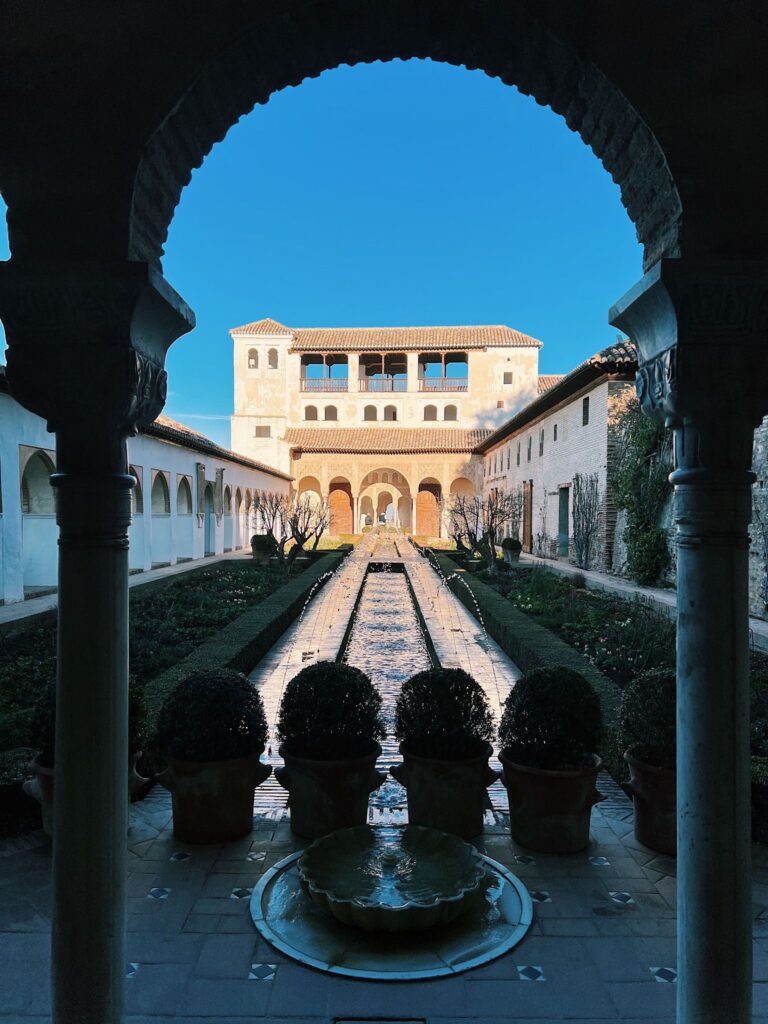
Linger over lunch and enjoy the views before setting off up the hill to the Alhambra*. A UNESCO World Heritage site and one of the most visited palaces in the world, the Alhambra is dripping in intricate architecture and lush gardens. Next door, Generalife once served as the summer home for the Nasrid rulers and is home to sprawling gardens, terraces, and tranquil water features. This highlight of the city stands as a testament to an opulent Islamic and Portuguese heritage.
If you have the time and energy, head to Carmen de los Mártires. These peaceful gardens with their fountains, rose gardens, ponds, and resident peacocks offer fewer crowds and panoramic views of the city.
Evening
You can’t spend your first night in Granada without exploring its magnificent tapas scene. In Granada, it is customary for bars and restaurants to offer complimentary small plates with any drink order. This means it’s pretty easy to turn bar hopping into a full meal.
Start at Bodegas Castañeda. This old-school wine bar’s walls are hung with legs of Jamón, and the open timber walls and ceiling create a warm, close-quartered atmosphere. The bar serves a variety of traditional tapas that rotate daily.

Next up? Bodegas La Mancha. This is a tiny, often crowded hang is the place to be on a Friday night. The people are warm, the tapas are fabulous, and you’d best be prepared to stand as seating is limited. End the night at Lemon Rock’s rooftop bar. This hotspot features frequent live music, stellar views, excellent cocktails, and generous tapas portions.
If you prefer a guided tapas tour, that’s great. Get Your Guide, GoWithGuide, and local companies such as Granada Tapas Tours are all good choices.
Day 2: Outdoor Adventure, City Center, and Riverside Dining
Morning
Today’s a big day! You can’t visit Granada without adventuring out into its fabulous Sierra Nevada backdrop. Start your morning at Café Casa Valentyna, the meeting place for your upcoming hiking tour of Los Cahorros de Monachil. With its ever-changing blackboard menu and local vibe, it’s the perfect place to fuel up before your hike amid hanging suspension bridges, narrow canyon passages, and waterfalls.
Feeling the daredevil? Consider a Rio Verde Canyoning Tour. Rappel down waterfalls, slide over natural rock formations, and jump into crystal-clear pools.
Afternoon
Upon returning to the city, treat yourself to an elegant lunch at El Trillo Restaurante. You earned it. If you can sit on the patio, do. The views of the Alhambra and surrounding hillsides are insane, and the Iberian Pig Cheek and Stuffed Artichokes are out of this world.
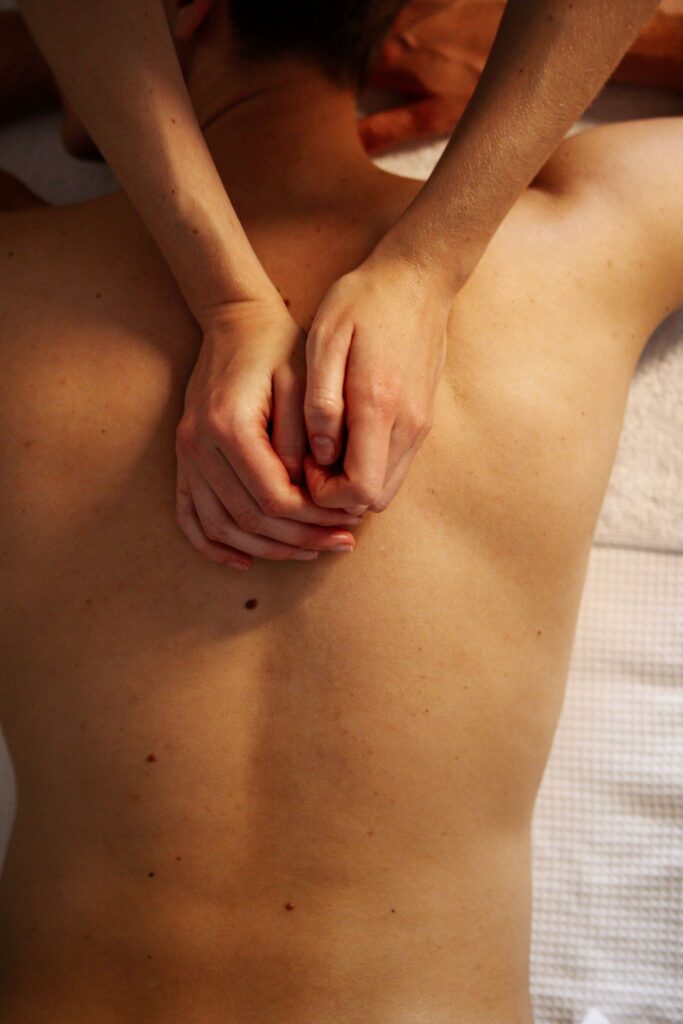
Let lunch settle for a bit before you take a short downhill walk to Hammam Al Ándalus. The city’s Arab baths are the perfect way to rest and recover after your outdoor adventure. Situated along the Darro River, this Moorish bathhouse will transport you to a different time. Float in one of the many warm pools as you watch sunlight peak through keyholes in intricately tiled walls. Be sure to sign up for a massage, too!
Evening
You’ve had a big day, so let’s keep things simple as evening falls. Start with a peaceful stroll along Carrera del Darro, Granada’s prettiest promenade. It runs along the Darro River and is often lined with friendly musicians and artisan pop-ups. When you’re ready, sit down to dinner at La Tabernilla del Darro (reservations recommended). This charming restaurant sits on the river in a cave-like setting carved into the hillside. It’s hard to get more romantic.
Day 3: Albaicín, Sacromonte, & Flamenco
Morning
On your last day in Granada, you ought to spend some time in some of the more historic corners of the city. Start with breakfast at Café 4 Gatos in the Albaicín neighborhood. Enjoy a simple breakfast of toasts with traditional toppings ranging from grated tomatoes to manchego. And don’t skip the fresh-squeezed OJ!
The Albaicín neighborhood is a UNESCO-listed district defined by its narrow, whitewashed streets, hidden courtyards, and incredible viewpoints overlooking the Alhambra. It exudes old-world charm and is the perfect place to intentionally lose yourself in tiny, history-steeped alleyways.
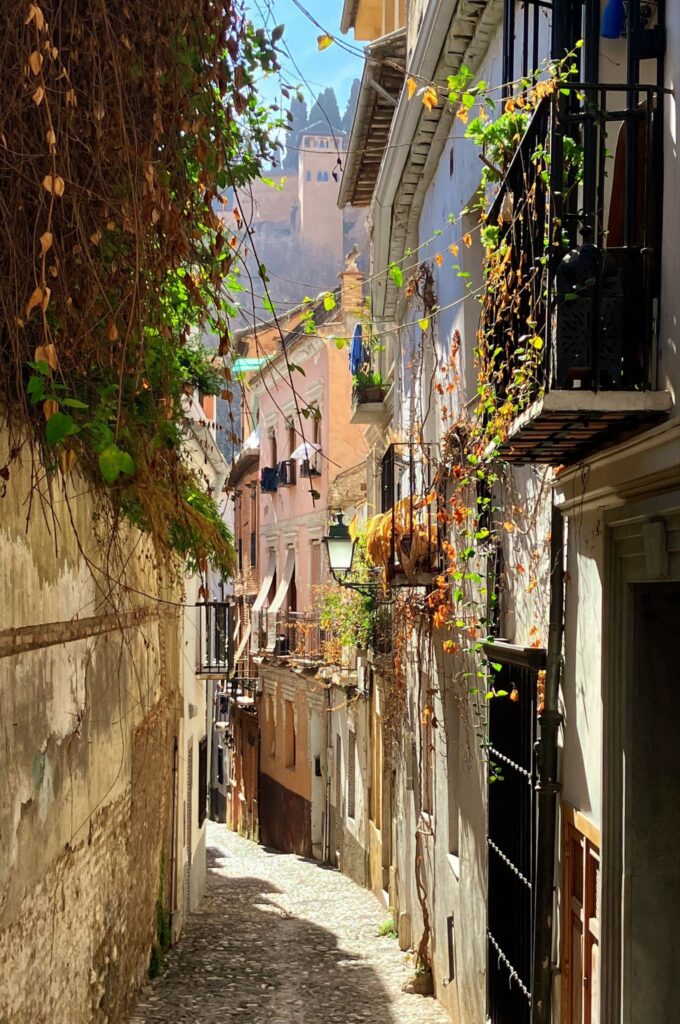
Nextdoor, the Sacromonte neighborhood is known for its hillside cave homes and deep flamenco roots. Take a hike up to the Museo Cuevas del Sacromonte to visit well-preserved caves, which offer a glimpse of what it would have been like to live as a gypsy over a century ago. Kitchens, bedrooms, weaving rooms, and more really allow you to step into a different time.
Afternoon
When you’re ready to descend back into town, tie on an apron and enjoy a Get Your Guide cooking class in the city center. In this 2-hour class, you’ll learn how to make a variety of traditional tapas and enjoy bottomless sangrias to wash ‘em down.
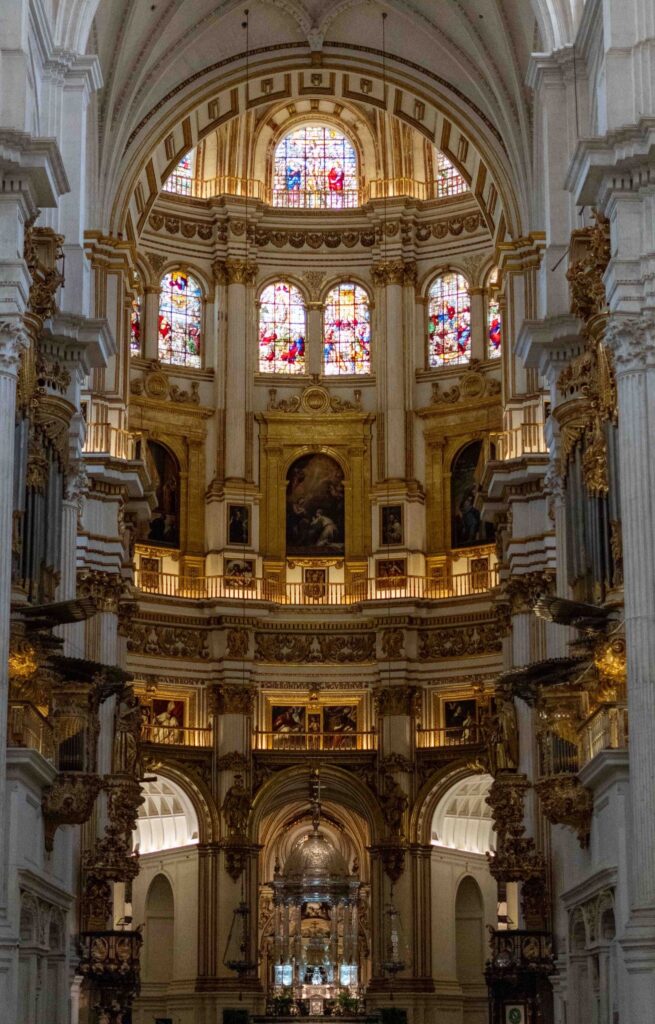
Next up, the Granada Cathedral. This Spanish Renaissance cathedral stands proudly in the city center. It’s an architectural marvel that features a grand facade and an intricate interior that’s sure to inspire oohs and ahhs.
Right beside the cathedral sits the Royal Chapel of Granada. Here, you’ll find ornate marble tombs and a small museum with royal artifacts. This Gothic chapel is the final resting place of Spain’s Catholic Monarchs, Queen Isabella I and King Ferdinand II. Their conquest of Granada in 1492 marked the end of Muslim rule in Spain.
Evening
Your last evening in this magical city has to start with a sunset from Mirador de San Nicolás. This renowned viewpoint allows locals and visitors alike to gape as the sun goes down in the west with the majesty of the Alhambra straight ahead. The plaza is often populated by street vendors and enthusiastic musicians playing the sun to sleep. Take it all in before heading to El Templo del Flamenco.

This establishment offers an incredibly intimate show in a traditional setting. A cave! Enjoy the passionate rhythms and soulful dances that define this quintessentially Andalusian art form while you sip on wine and savor Andalusian cuisine. It’s sure to seal an irreplaceable memory of the region’s culture in your mind, and it’s the perfect way to cap off your trip.
Essential Tips for Visiting Granada
A little planning goes a long way in Granada. These tips will help you make the most of your visit.
Book Alhambra Tickets Early
The Alhambra is Granada’s most popular attraction, and tickets often sell out weeks—or even months—in advance during peak travel seasons. Reserve your entry as soon as your travel dates are set.
Wear Comfortable Shoes
Granada is best explored on foot, but be prepared for steep hills, uneven cobblestone streets, and plenty of stairs, especially in the Albaicín and Sacromonte neighborhoods.
Take Advantage of Free Tapas
One of Granada’s best traditions is complimentary tapas served with many drink orders. It’s a fun (and budget-friendly) way to sample local cuisine while hopping between neighborhood bars.
Save Time for Sunset
One of the city’s most magical experiences is watching the sun set over the Alhambra with the Sierra Nevada mountains in the background. Mirador de San Nicolás is the most famous viewpoint, but there are plenty of quieter spots nearby if you’re willing to wander.
Don’t Rush the Evenings
Granada comes alive after dark. Enjoy a leisurely dinner, catch a flamenco performance, or simply stroll through the illuminated streets and plazas. Dinner often starts around 9 p.m., so embrace the local schedule.
Getting Around
The historic center is very walkable, though the hills can be challenging. Local buses, taxis, and rideshares make it easy to reach higher neighborhoods if you’d rather save your energy.
FAQs
Yes. Three days is the perfect amount of time to visit the Alhambra, wander the Albaicín and Sacromonte neighborhoods, enjoy an authentic flamenco performance, sample Granada’s famous tapas, and discover a few hidden gems at a relaxed pace.
Granada is best known for the Alhambra, a UNESCO World Heritage Site and one of Spain’s most spectacular palaces. The city is also famous for its Moorish history, flamenco culture, free tapas tradition, and charming historic neighborhoods like the Albaicín and Sacromonte.
Spring (April and May) and fall (September and October) offer pleasant temperatures and fewer crowds, making them ideal for sightseeing. Summer can be extremely hot, while winter is a unique time to combine city sightseeing with skiing in the nearby Sierra Nevada.
Absolutely. Most of Granada’s top attractions are within walking distance of one another. Just keep in mind that neighborhoods like the Albaicín and Sacromonte include steep hills and cobblestone streets, so comfortable walking shoes are essential.
The Alhambra is about a 20- to 25-minute walk uphill from Plaza Nueva. Local buses and taxis are also convenient options if you’d rather skip the climb.
Compared with many other European cities, Granada is quite affordable. Hotels, restaurants, and attractions are generally reasonably priced, and the city’s tradition of serving complimentary tapas with drinks helps stretch your travel budget.
No. If you’re staying within the city, a car isn’t necessary. Granada’s compact historic center is easy to explore on foot, and public transportation is readily available. A rental car is only recommended if you plan to explore Andalusia beyond Granada.
If it’s your first visit, don’t miss the Alhambra, the Albaicín neighborhood, Mirador de San Nicolás at sunset, a traditional flamenco performance in Sacromonte, Granada Cathedral, and at least one evening enjoying the city’s famous tapas culture.